Context, context, context!
So often we hear… “Yes, but the Bible says…. a, b, c”….. And then we hear a Bible verse… which seems to be correct, but in the context is completely taken out of context… with all the misery that entails. You sometimes also come across them in our blogs as a warning. How important is it to read the Bible in context? Let’s take an extreme Bible verse that is completely wrong if you take it out of context. Are you ready for it? Really and truly? Let’s read this verse out of context:
Happy is the one who seizes your infants and dashes them against the rocks.
Psalm 137:9
Ah, so if someone else crushes your kids on a rock, that’s okay? Because that’s what the Bible says, right? There we go, God condones violence! What a cruel God… I don’t believe in that, I don’t even want to believe in such a God. Terrible, what it says in that Bible!
See, that’s what happens when you don’t read the Bible in context… then you read really strange things that aren’t there… The context is that the Jewish people call on God to take revenge on their enemies… Ah! This is not God who is saying it, it’s the writer of this Psalm that does vent his emotions. Now it’s becoming something different… Let’s look at what the context is: Psalm 137 is in the context of the Jewish exile in Babylon:
By the rivers of Babylon we sat and wept when we remembered Zion.
Psalm 137:1
The Jews in exile were mistreated:
There on the poplars we hung our harps, for there our captors asked us for songs, our tormentors demanded songs of joy; they said, “Sing us one of the songs of Zion!”
Psalm 137:2,3
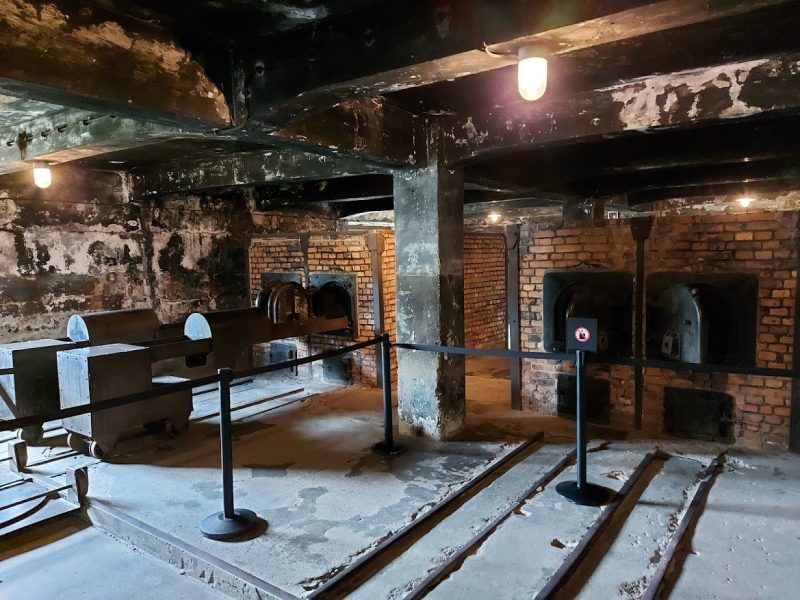
Perhaps you remember that the Jews in the concentration camps under the Nazis had(!) to play music while people were taken to the gas chambers? Well, that feeling… a feeling with many emotions indeed. Can you imagine it?
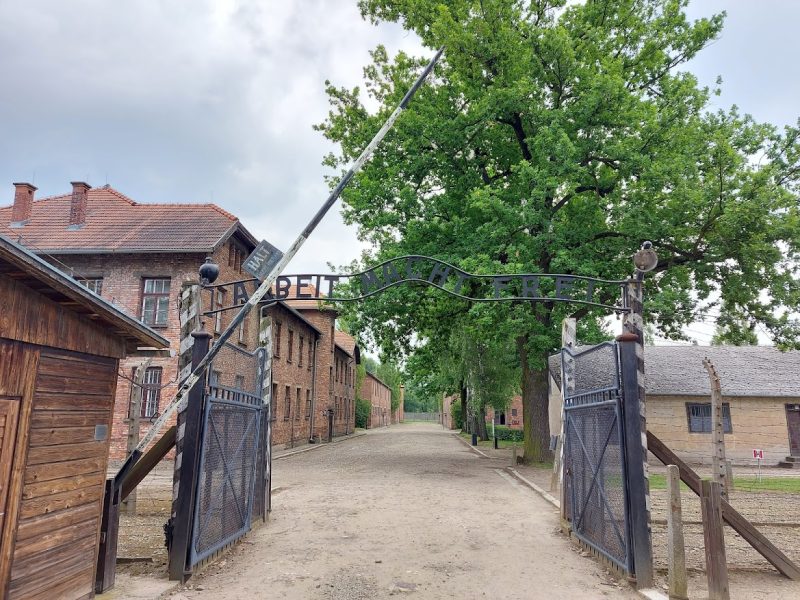
The psalmist remembers both the shame of the Edomites (who plundered Jerusalem) and the Babylonians who destroyed their capital. He comes to two conclusions to end the psalm. Firstly he says:
Daughter Babylon, doomed to destruction, happy is the one who repays you according to what you have done to us.
Psalm 137:8
This cry for revenge longed for the destruction of their enemies. It is the emotion of the writer that you read here, not a voice of God saying this….
Then in verse 9 the psalmist adds further detail to this cry for vengeance, claiming, “Happy is the one who seizes your infants and dashes them against the rocks.”
The desire is expressed graphically, but it is simply a call for the destruction of the entire nation—the nation that had enslaved the Jews, killed their babies, and destroyed their city.
If we keep in mind that the psalms are songs that express intense emotions, (think back to those gas chambers…) a statement like “Happy is the one who seizes your infants and dashes them against the rocks.” should not shock us.

The writer did not intend to kill babies; rather, he desired justice, which required the death of his enemies.
Anyway, is the lesson in this case in this blog about Psalm 137? No, the point is that we must read the Bible in context.
It is important to study Bible passages and stories within their context. Taking verses out of context leads to all kinds of terrible mistakes or worse… Understanding context begins with four principles: literal meaning (what it says), historical setting (the events in the story, who it is addressed to, and how it was understood at the time), grammar (the immediate sentence and paragraph within which a word or sense is found) and synthesis (comparing it with other parts of the Bible for a fuller meaning). Context is crucial. That is not just reading the Bible, but reading and studying it in context.
So we must be very careful in interpreting Psalm 137 in its historical context and applying it properly in connection with the full counsel of the Bible. It is a normal human desire for justice and to defeat God’s enemies.
Only when we look at the context and take (for example) this verse:
Repay no one evil for evil. Have regard for good things in the sight of all men. If it is possible, as much as depends on you, live peaceably with all men. Beloved, do not avenge yourselves, but rather give place to wrath; for it is written, “Vengeance is Mine, I will repay,” says the Lord.
Romans 12:17-19
Then we see the complete picture. Psalm 137 is not a selfish prayer for personal revenge. It is a plea from the writer, for God, to intervene and stop the misery (in the concentration camp, keep that image in mind). That’s the context.
Dear reader… study your Bible, in context, every day. It is of eternal value. Not only for yourself, but also for others when you use the Bible to explain something….